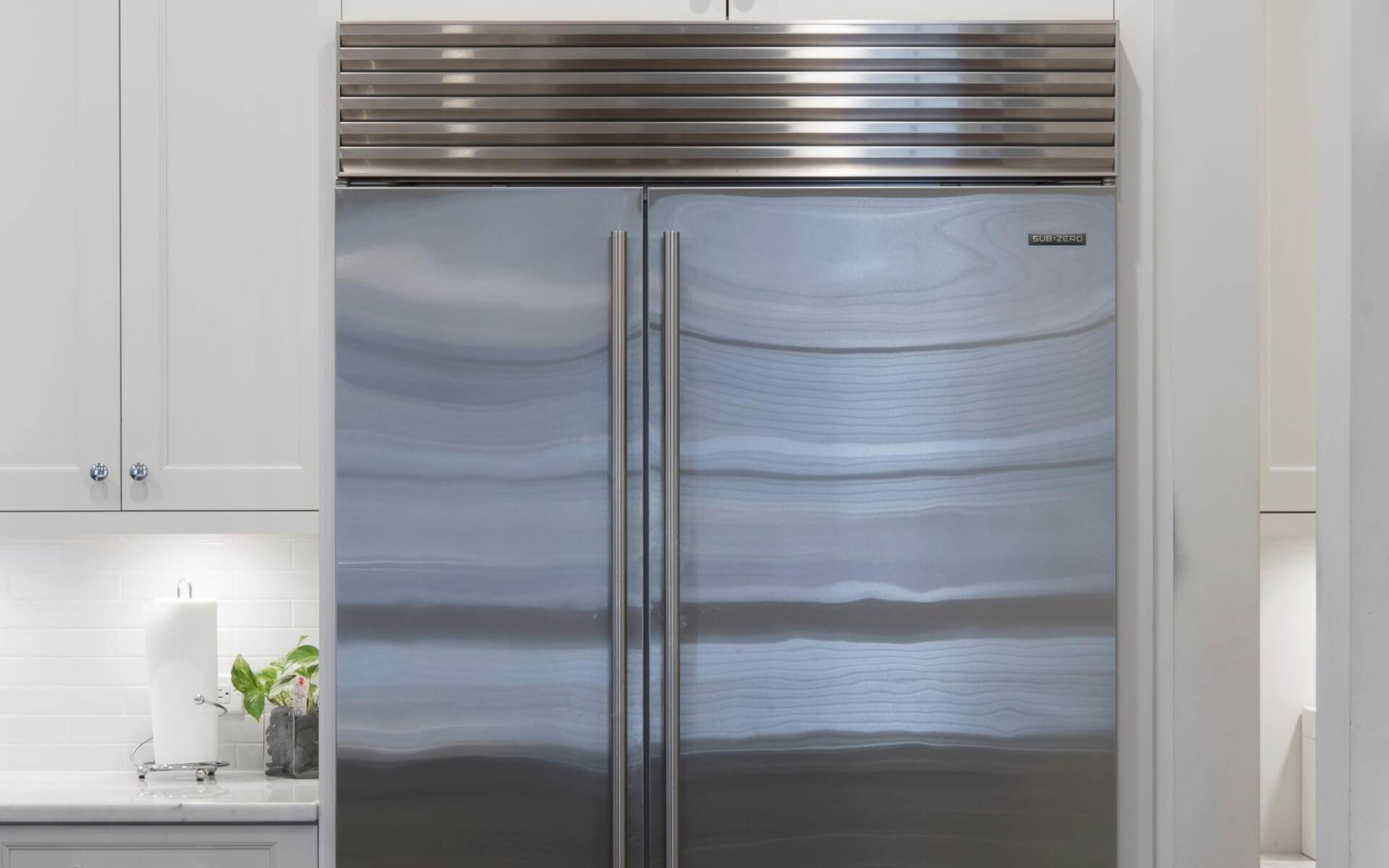
Trouble With High-End Refrigeration: Common Sub-Zero Issues
Sub-Zero appliances are well-known for their heavy-duty build quality and long lifespans, frequently serving as the centerpiece of luxury kitchens. However, even these high-end machines are susceptible to wear and tear. A closer look at the typical problems owners face reveals the internal mechanics of these premium refrigerators and helps you spot early warning signs.
Cooling System Malfunctions
A refrigerator must maintain a stable, chilly climate to protect your food. When the temperature fluctuates, the appliance fails at its most basic task. Despite top-tier engineering, Sub-Zero refrigerators experience several recurring cooling failures.
Inefficient Cooling or No Cooling at All
Discovering that your refrigerator is warm inside is incredibly frustrating. Several common component failures typically cause a loss of cooling power.
Condenser Coil Contamination
Condenser coils shed the heat collected from inside the appliance into the surrounding room. When these coils are ignored, they gather thick layers of dust, pet hair, and airborne debris. This buildup acts as an insulation blanket, trapping the heat and forcing the compressor to work continuously. Over time, this extra strain drops the unit’s efficiency and can trigger a total cooling breakdown. Keeping these coils clean is essential for the longevity of the appliance.
Evaporator Fan Motor Failure
The evaporator fan motor circulates chilled air throughout the freezer and refrigerator sections. If this motor gets stuck or runs erratically, cold air will not circulate evenly. A failing fan motor often gives a warning by humming or buzzing before it stops completely. Without proper airflow, you will notice warm pockets in some zones while other areas stay cold.
Faulty Thermistor or Temperature Sensor
The thermistor reads the internal temperature and reports back to the main control board. If this sensor breaks down, the refrigerator miscalculates its own internal environment, causing the compressor to cycle incorrectly. A broken thermistor can force the compressor to run nonstop, freezing your food, or prevent it from running enough, letting temperatures rise. Fixing this requires checking the sensor’s resistance with specialized diagnostic tools.
Refrigerant Leaks
Refrigerant absorbs and releases heat as it moves through the cooling loops. While leaks are rare in Sub-Zero models due to their thick tubing, they can still develop at joints or from physical impacts. A slow drop in cooling performance, sometimes paired with faint hissing noises or oily spots near the lines, points to a leak. Resolving this requires a professional technician to find the breach, seal it, and refill the system.
Excessive Frost Buildup
A tiny bit of frost in the freezer is normal, but heavy ice accumulation blocks airflow and takes up valuable storage space.
Defrost System Malfunction
Sub-Zero units use automated defrost cycles to melt away ice accumulation on the evaporator coils. This setup relies on a defrost heater, a thermostat, and a drain line. If the heater burns out, the ice builds up continuously. If the drain path gets plugged, the melted water backs up and refreezes into a solid block.
Door Seal Issues
Gaskets keep the appliance airtight. When these rubber seals split, tear, or harden with age, warm and humid kitchen air slips into the freezer. This moisture quickly turns into thick frost. You can check the seal by closing the door on a piece of paper; if it pulls out easily, the gasket needs to be replaced to prevent outside humidity from getting inside.
Icemaker and Water Dispenser Problems
Built-in icemakers and water dispensers provide great everyday convenience, but they are frequent sources of mechanical trouble.
Icemaker Not Producing Ice
A broken icemaker is highly inconvenient, especially during the summer months.
Water Inlet Valve Malfunction
The water inlet valve opens electronically to send water into the icemaker. If hard water minerals clog the valve or the internal solenoid fails, water cannot fill the ice mold. You might hear a buzzing sound from the back of the refrigerator when the machine tries to call for water but fails due to a blockage.
Clogged Water Filter
The built-in water filter purifies the water for both ice and drinking. These filters fill up over time. When a filter is completely blocked, water pressure drops significantly, stopping ice production entirely. Many seemingly complex water issues can be fixed by simply swapping out a dirty filter.
Faulty Icemaker Module
The icemaker module uses a network of small gears, motors, and switches to manage the ice cycle. A mechanical failure here can stall the entire process. The machine might try to harvest ice that isn’t there, or fail to drop the cubes it just froze. Over time, these moving parts naturally wear down and require replacement.
Low Water Pressure
Sometimes the issue stems from your home plumbing rather than the refrigerator itself. If the incoming water line doesn’t have enough pressure, the icemaker cannot fill completely. A technician can use a pressure gauge to determine if the household plumbing is the true culprit.
Water Dispenser Issues
Water dispensers face identical supply challenges, usually manifesting as leaks or poor flow.
Leaks from the Dispenser
A dripping water dispenser can ruin flooring and cause mold growth. Leaks typically stem from brittle dispenser tubing, a water inlet valve that fails to shut completely, or a worn actuator switch. A slow drip usually points to an aging seal, while a steady stream means the valve is stuck open.
Slow or No Water Flow
When water only trickles from the dispenser, the cause is usually a clogged filter, a restricted inlet valve, or a frozen water line. Any restriction in the water line will severely limit the flow rate.
Door Seal and Alignment Problems
Tight seals are necessary to keep utility bills low and temperatures stable. Sagging doors or worn rubber allow heavy thermal transfer, forcing the refrigerator to work double time.
Poor Sealing and Air Leaks
An unsealed door lets cold air escape while pulling in warm air, which spoils food faster and wastes electricity.
Worn or Damaged Gaskets
Refrigerator gaskets lose their flexibility and become brittle over the years. Keep an eye out for visible cracks, warped spots, or sections where the magnet fails to grip the metal frame. The resulting air leaks force the compressor to run constantly, raising your energy costs.
Misaligned Doors
Even precisely engineered doors can shift due to poor installation or uneven flooring. If the doors sit crooked, the gaskets will not seal evenly, creating hidden gaps. Overloading the door bins with heavy items can also cause the hinges to sag over time. Adjusting the leveling legs or tightening the hinges usually restores the alignment.
Door Not Closing Properly
Mechanical issues and physical blockages can also prevent the door from sealing shut.
Obstructions in the Door Path
Often, oversized food containers or items in the door shelves stick out just enough to keep the door from closing completely. Loose food wrappers or ice buildup along the frame can also act as physical blocks. A quick reorganization often fixes the issue without a repair visit.
Faulty Door Closers or Hinges
Many Sub-Zero models use spring-assisted hinges to pull the door shut automatically. If these springs snap or dry out, the door may stay slightly open or bounce back when pushed. Creaking noises or physical stiffness indicate that the hinges need to be replaced.
Noise-Related Complaints
Refrigerators are rarely silent, but new or loud noises usually mean a component is struggling. Sub-Zero units are insulated for quiet operation, making odd sounds easy to notice.
Unfamiliar or Excessive Operating Sounds
New sounds warrant investigation before they turn into major mechanical breakdowns.
Compressor Issues
A failing compressor often generates distinct warning sounds. You might hear a loud grinding or rattling from worn internal parts, or a loud, constant hum from an electrical fault. A compressor working extra hard due to dirty condenser coils will also run noticeably louder.
Fan Motor Noise
The bearings inside the evaporator and condenser fan motors wear out over time, creating high-pitched squealing, screeching, or clicking noises. Loose fan blades hitting ice or loose debris will also cause a steady tapping sound. A broken fan stops proper air movement, hurting cooling performance.
Vibrations from Loose Components
Not all noises mean a part is broken; sometimes a loose screw or panel simply vibrates against the metal frame. Minor tremors can amplify into loud rattles over time. Checking the back and bottom panels for loose mounting screws can often silence these annoying buzzes.
Gurgling or Hissing Sounds
Certain noises are a completely normal part of everyday operation, even if they sound concerning at first.
Refrigerant Flow Noise
It is perfectly normal to hear occasional bubbling, gurgling, or hissing. This is simply the sound of the refrigerant changing from liquid to gas as it flows through the internal tubing.
Drain Pan Evaporation
During a defrost cycle, melted ice flows down into a pan located beneath the warm compressor to evaporate. You may hear a light sizzling or dripping sound as the cold water hits the warm pan. This means your self-defrosting system is working exactly as it should.
Electrical and Control Board Failures
Modern Sub-Zero units rely on complex electronics to coordinate the cooling cycles. When these brains fail, the refrigerator can behave erratically or stop working entirely.
Unit Not Powering On or Intermittent Power
A refrigerator that loses power puts all your groceries at risk of spoiling.
Faulty Power Supply or Outlet
Before replacing expensive parts, look at the wall outlet. Tripped circuit breakers, blown fuses, or loose power plugs can cut power instantly. Testing the outlet with another small appliance helps rule out basic household electrical issues.
Main Control Board Failure
The main control board manages all the sensors, fans, and cycles. If a power surge or wear and tear over time damages this board, the refrigerator will behave erratically or shut down completely. Signs of a broken control board include flickering display lights, wild temperature swings, or a totally unresponsive unit.
Damaged Wiring
Over many years, internal wires can fray or corrode from constant vibration and moisture. While rare, a broken wire will stop electrical signals from reaching vital components like the compressor or fans.
Lighting or Display Malfunctions
Lighting and display bugs do not affect cooling performance, but they ruin the premium user experience.
Burnt-Out LED Lights
Sub-Zero models use long-lasting LED strips to light up the interior. However, these diodes can still fail due to bad circuitry or loose wire connections.
Faulty Display Panel
The external control panel lets you adjust temperatures and monitor settings. If the screen flickers, displays garbled characters, or stops responding to touch, the control board or its data cable is failing.
Understanding these common failure points helps you protect your appliance investment. Simple upkeep, like clearing away dust from the coils and changing the water filter on time, keeps these high-end refrigerators running reliably for decades.
Leave a Reply