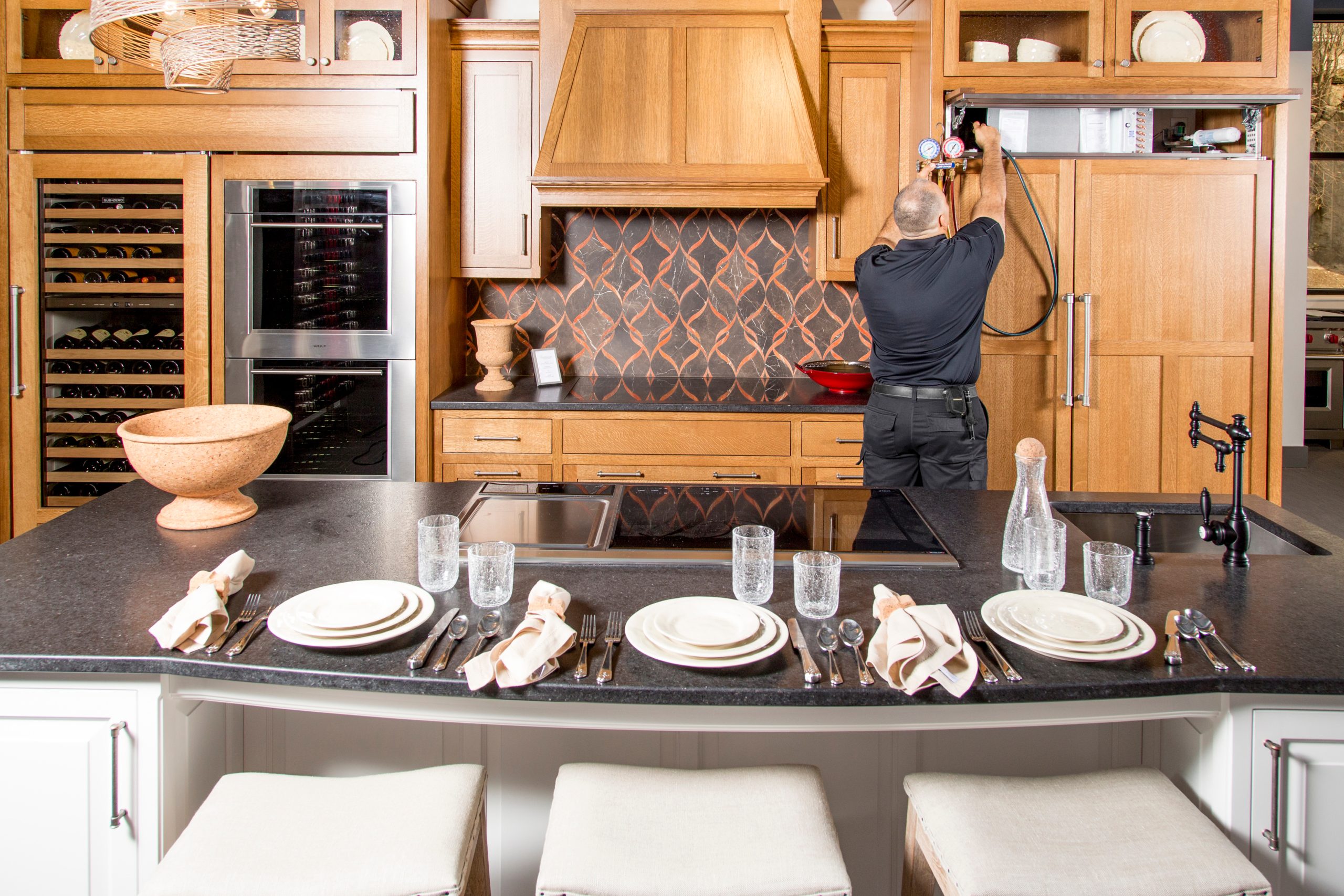
The Decision Process: Repairing vs. Replacing Your Appliances
Every homeowner dreads the moment an appliance makes a concerning noise, stops heating, or fails to power on. Your first instinct might be to weigh the repair cost against the price of a new unit—the common “50% rule.” However, as an industry professional, I know that real-world appliance decisions are far more complex than simple math. To make the best choice for your budget, you must consider the quality of your appliance, the accuracy of the diagnosis, and the underlying cause of the malfunction.
Why Premium Appliances Change the Equation
Standard replacement advice often fails when applied to luxury, high-end brands. If you own appliances from manufacturers like Wolf, Sub-Zero, or Thermador, you should almost always choose to repair them rather than replace them.
Protecting Your Investment
Luxury brands represent a significant financial investment, offering superior engineering and longevity compared to entry-level models. In many cases, an older, premium-built machine is of higher quality than what is available on showroom floors today. Furthermore, replacing a built-in refrigerator or a commercial-grade range can cost thousands of dollars, potentially requiring expensive cabinetry modifications. Repairing these appliances is the smartest way to preserve a machine designed to last for decades.
The Importance of Professional Diagnostics
A malfunctioning appliance often appears beyond repair when in reality, it may only require an expert eye. A frequent error homeowners make is assuming a severe symptom necessitates a complete replacement.
Avoiding Premature Replacement
I recently assisted a client whose oven door became stuck following a self-clean cycle. While it appeared to be a catastrophic failure, a thorough test of the door lock mechanism revealed the latch was functioning perfectly. No parts were required, and we returned the appliance to service without an unnecessary repair bill or a premature replacement. Expert diagnostics can often identify simple fixes that save you from the cost of new parts or new equipment.
Knowing When It Is Time to Replace
While many machines can be saved, there are moments when further investment is unwise.
Identifying the Breaking Point
For a premium range, replacing a faulty igniter is a logical repair that extends the life of an excellent machine. However, if you are using an entry-level stove that has reached the end of its expected lifespan, that same igniter issue is a signal to move on. When the combined cost of professional labor and parts nears the price of a new, basic model, it is time to replace the unit.
The Insider Secret: Check the Basics First
Most general advice ignores the fact that many “dead” appliances are actually suffering from simple external issues rather than terminal mechanical failures. Before you decide your appliance is history, ensure these two critical elements are examined:
Safety Switches and Airflow
- The Switch: A large percentage of perceived failures are caused by tripped, misaligned, or faulty safety or door switches. If these switches do not maintain a clean connection, the machine will fail to operate.
- Gas Vent Flow: For gas-powered appliances, proper airflow is vital. Blockages or restrictions in the vent can trigger automatic safety shutdowns, which perfectly mimic the symptoms of a major mechanical breakdown.
By relying on expert diagnostics and performing these foundational checks, you can avoid discarding perfectly functional equipment and save your household from unnecessary expenses.

Leave a Reply